
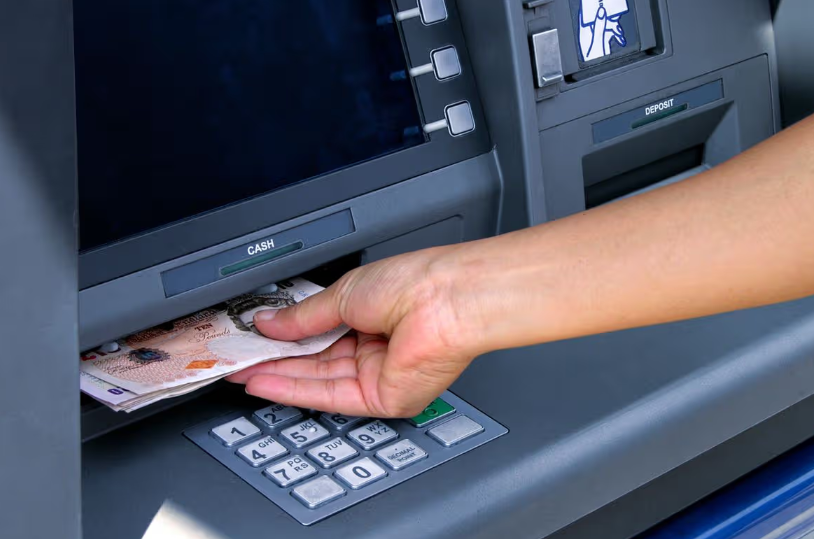
Managing your money wisely can make a significant difference—whether you’re traveling abroad, living in a new country, or just trying to stretch your budget further. Here’s a practical guide on how to save more, store cash safely, minimise bank fees, and make smart ATM choices in Europe.
💰 1. Start with a Simple Savings Mindset
The foundation of financial health is saving consistently. Basic habits that help include:
- Track all expenses monthly to spot unnecessary spending.
- Automate savings as soon as your income arrives—set up automatic transfers to a high‑interest savings account.
- Avoid impulse purchases by implementing a “24‑hour rule”: wait a day before buying non‑essential items.
Even small reductions in daily costs can add up over time, especially if automatically directed into savings.
💵 2. How to Handle Cash Wisely
While many purchases in Europe can be done by card, having some cash on hand is still useful, particularly in smaller towns or cash‑only spots like local markets and cafes. Knowing how and when to use cash can save you real money.
- Carry a small cash buffer for everyday needs—about €50–€150 is usually enough for incidental purchases.
- Organise cash in smaller bills (€5 and €10) to avoid difficulties paying exact amounts in shops and markets.
🏦 3. Avoid High ATM Fees When Withdrawing Cash
ATM fees and poor exchange rates can significantly erode your money while abroad. Follow these tips to keep more of your cash:
✔️ Use Bank‑Owned ATMs
Banks in Europe often charge lower withdrawal fees than independent machines run by third parties. Machines owned by major banks like Deutsche Bank (Germany), BNP Paribas (France) or Santander (Spain) typically have better, transparent fee structures.
✔️ Avoid Tourist Spot ATMs
Independent operators such as Euronet or Travelex often have much higher fees and unfavourable exchange rates. Reddit users strongly recommend avoiding them and selecting bank‑branded ATMs whenever possible.
✔️ Reject Dynamic Currency Conversion (DCC)
When offered the option to withdraw in your home currency at an ATM abroad, always decline and choose the local currency instead. Accepting the machine’s conversion often means poor rates with high markups.
✔️ Make Fewer, Larger Withdrawals
Since many ATMs charge per transaction, withdrawing larger amounts less frequently can reduce total fees. Plan ahead so you don’t have to make lots of small withdrawals.
💳 4. Choose the Right Bank or Card for Europe
Your bank choice and card type can make a big difference in how much you pay in fees:
🚀 Travel‑Friendly Fintech Banking Options
Fintech banks and travel cards often provide fee‑free ATM withdrawals and better exchange rates compared to traditional banks. Some widely recommended options include:
- Revolut – No fees up to a certain withdrawal limit, plus excellent exchange rates.
- Wise – Low or no fees up to set limits and mid‑market exchange rates.
- Monzo / Starling – No foreign transaction fees and often reimburse ATM charges.
🏦 Traditional Banks With Travel Benefits
Certain bank accounts offer perks like waived foreign charges or fee‑free withdrawals, especially if you meet account requirements. For example, Club Lloyds in the UK eliminated foreign transaction fees for qualifying customers, making it attractive for travellers.
🔐 5. Keep Cash Safe and Spread Out Risk
Carrying large amounts of cash increases the risk of loss or theft. Use these safety practices:
- Carry only what you need for short periods and store the rest in a secure place.
- If staying in a hotel or rental, use a safe or lockbox to secure excess cash.
- Keep records of serial numbers in case of loss or theft.
- Pair cash with secure, digital payment methods that can be frozen instantly if lost.
🧠 6. Use Cards Whenever Possible
Paying by card is often safer and cheaper than withdrawing cash:
- Many credit and debit cards have no foreign transaction fees.
- Using a card protects you against loss or theft because you can quickly block the card.
- In most European cities, card acceptance is widespread; only small vendors sometimes require cash.
🏁 7. Plan Ahead Before Travelling or Managing Money Abroad
The best financial strategies are proactive:
- Inform your bank of travel plans to avoid declined transactions.
- Check fee schedules online before your trip and compare ATM and foreign fee structures.
- Convert some cash before departure if your bank offers competitive exchange rates.
📊 European Bank ATM Networks and Options
European banks and ATM networks vary by country:
- In Germany, private sets of ATMs like CashPool allow fee waivers within specific groups of banks.
- In many EU countries, using ATMs from major banks yields better rates and lower surcharge risk.
- Fintech and challenger banks operating in the EU provide strong alternatives with fewer hidden charges.
📌 Summary: Smart Financial Habits That Save Money
✔ Track spending and budget regularly
✔ Keep a small, planned amount of cash, withdraw smartly
✔ Use bank ATMs and decline DCC
✔ Choose travel‑friendly cards and banks
✔ Use digital payments where possible
✔ Keep cash safe and spread your risk
Adopting these financial life hacks can help you spend less on fees, protect your funds, and make your money go further both while travelling and in daily life.