
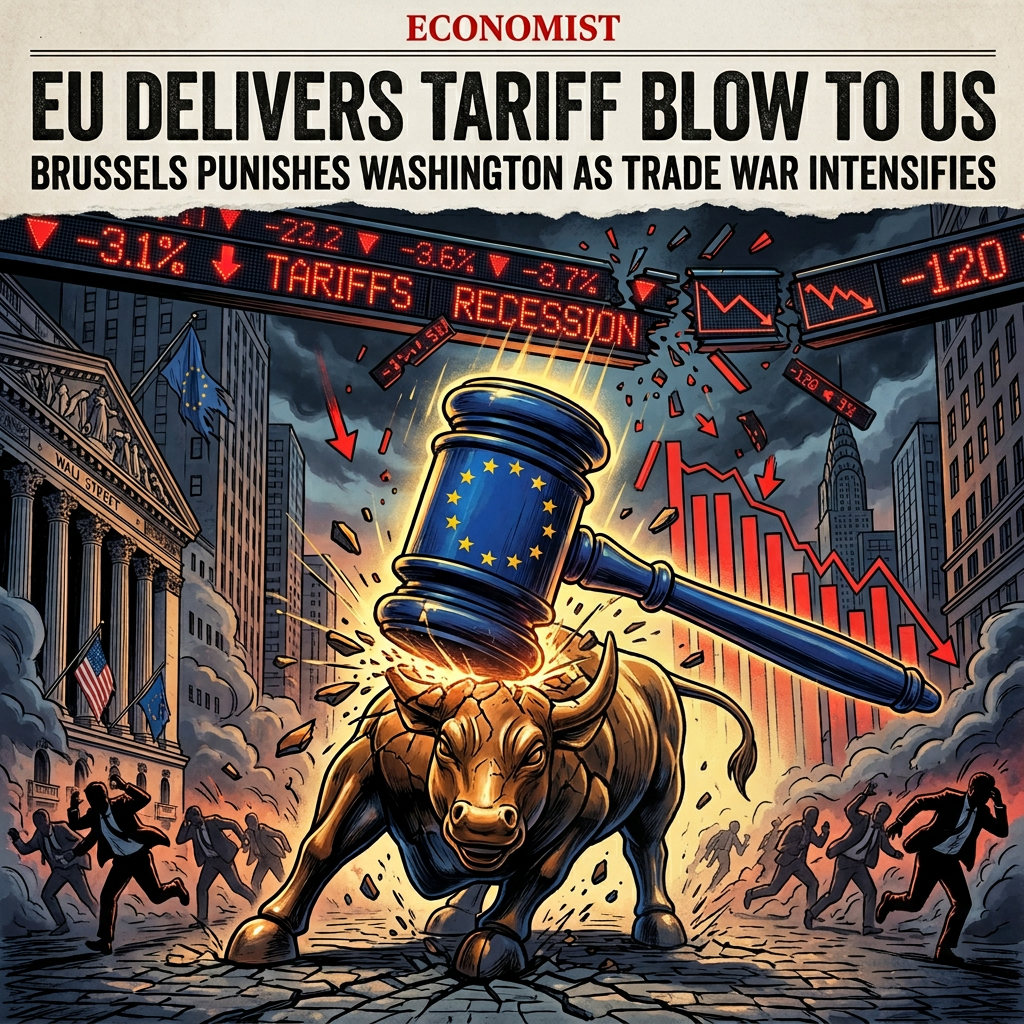
Trade relations between the United States and the European Union have entered a new phase of tension as both sides debate tariffs on key industries. Economists and policymakers warn that a prolonged tariff dispute could affect global markets, supply chains, and millions of consumers on both sides of the Atlantic.
While trade disagreements between the two partners are not new, the current situation has once again raised concerns about a potential “tariff war” that could reshape international trade dynamics.
What Is Driving the Dispute?
Tariffs are taxes placed on imported goods. Governments use them to protect domestic industries, encourage local production, or respond to perceived unfair trade practices.
In recent years, the United States has introduced or proposed tariffs on certain European products, arguing that they help protect American manufacturers and reduce trade imbalances. European officials, however, say such measures can harm fair competition and disrupt established trade partnerships.
The European Union has responded by considering countermeasures or negotiating alternative trade arrangements.
Industries at the Center of the Conflict
Several key sectors have become focal points in the debate:
Automotive industry
European car manufacturers export a significant number of vehicles to the United States. Tariffs on automobiles or auto parts could increase prices for American consumers while affecting European exports.
Agriculture and food products
Products such as wine, cheese, and agricultural goods have previously been affected by trade measures, creating uncertainty for farmers and exporters.
Steel and aluminum
Tariffs on metals have been one of the most visible sources of friction between the United States and Europe in past trade disputes.
Because these industries are deeply integrated into global supply chains, even small tariff increases can have wide-ranging economic consequences.
Economic Impact on Both Sides
Trade experts say that tariff disputes rarely produce clear winners. Instead, they often lead to higher costs for businesses and consumers.
If tariffs increase:
- companies may face higher import costs
- consumers could pay more for products
- international supply chains might shift or slow down
- investment decisions could become more uncertain
Financial markets also tend to react quickly to signs of trade tension, which can influence currencies, stock prices, and global economic expectations.
Efforts to Avoid a Full Trade War
Despite the rhetoric surrounding tariffs, both the United States and the European Union continue to emphasize the importance of maintaining strong economic ties.
The two economies are among the largest trading partners in the world, with billions of dollars in goods and services exchanged every year.
Diplomatic negotiations, trade discussions, and regulatory cooperation remain ongoing, as both sides attempt to balance domestic economic priorities with international trade stability.
The Global Implications
Because the United States and the European Union together represent a large share of the world economy, any significant escalation in tariffs could affect global trade flows.
Other countries and regions often watch these negotiations closely, since changes in tariffs between major economies can influence global prices, supply chains, and investment patterns.
Looking Ahead
The future of US–Europe trade relations will depend largely on diplomatic negotiations and economic priorities in both regions. While tensions occasionally rise, both sides have strong incentives to avoid a prolonged trade conflict.
For businesses, investors, and consumers around the world, the outcome of these discussions could shape the direction of global trade for years to come.